How to Protect Your Online Privacy in 2025
Published: February 7, 2026 | Author: Tech Team | Category: Privacy | Read time: 19 minutes
A complete and practical privacy guide for 2025 covering strong passwords, two-factor authentication, VPNs, safe browsing, scam prevention, and everyday digital habits.
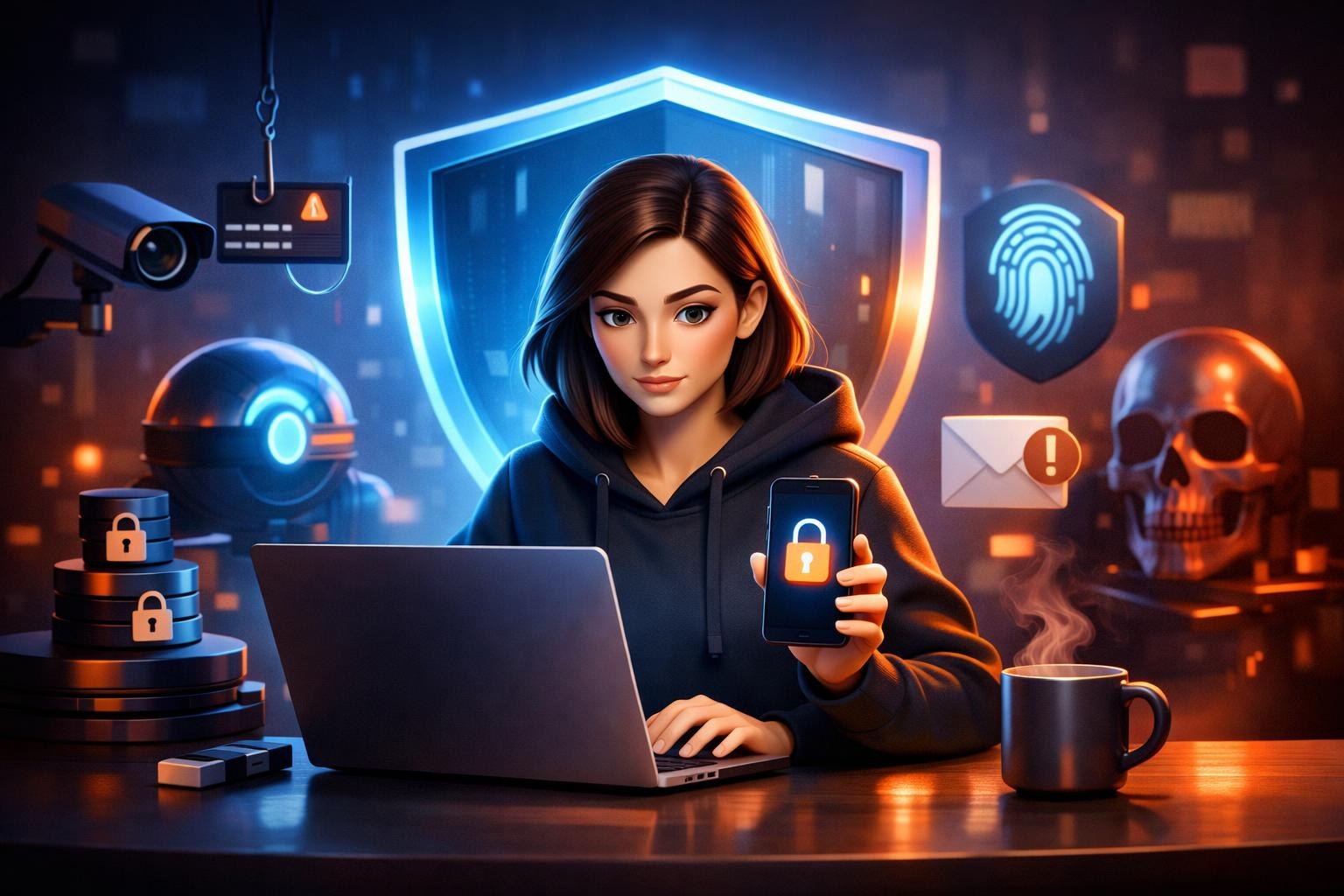
Online privacy is no longer a concern only for security professionals. In 2025, every internet user leaves a data trail through browsing, shopping, social media activity, app usage, and daily communication. That trail can be used for personalization, advertising, analytics, or in worse cases, fraud and identity abuse.
The good news is that practical privacy protection is possible for everyone. You do not need advanced technical skills. You need a clear system and consistent habits.
This guide gives you a realistic, step-by-step privacy framework you can start using today.
Why Online Privacy Matters More Than Ever
People often think, "I have nothing to hide." Privacy is not about hiding wrongdoing. Privacy is about control. It is the right to decide who can access your personal information and how that information is used.
Without basic privacy protections, common risks include:
- Account takeover through weak passwords.
- Financial fraud from phishing and scam pages.
- Long-term spam exposure from data broker sharing.
- Location and behavior tracking by unknown parties.
- Embarrassing or harmful leaks of personal communication.
A little effort now can prevent major problems later.
1) Build a Strong Password System
Passwords are still the first line of defense for most accounts. Reusing the same password across sites is one of the most common and dangerous mistakes.
Use a Password Manager
A password manager helps you generate and store unique passwords for every account. This means if one service is breached, your other accounts remain safer.
Create High-Strength Passwords
Use long passwords with random combinations. Avoid birthdays, names, or predictable words. Longer is generally stronger.
Do Not Reuse Passwords
Unique passwords are non-negotiable for important accounts like email, banking, cloud storage, and social profiles.
Tip: Your primary email account should have your strongest password because it is often the reset point for other services.
2) Turn On Two-Factor Authentication Everywhere
Two-factor authentication (2FA) adds a second verification step after your password. Even if a password is stolen, 2FA can block unauthorized logins.
Best 2FA Options
- Authenticator app codes (recommended)
- Hardware security keys for high-value accounts
- SMS codes as a fallback when stronger options are unavailable
Start with your most important accounts:
- Primary email
- Banking and payments
- Cloud storage
- Social media accounts with public visibility
3) Use a VPN on Untrusted Networks
A VPN (Virtual Private Network) encrypts your internet traffic between your device and a secure server. This is especially useful on public Wi-Fi in places like airports, cafes, hotels, and coworking spaces.
When choosing a VPN:
- Read the logging policy carefully.
- Choose providers with clear security documentation.
- Use kill switch and DNS leak protection when available.
- Keep the VPN app updated.
A VPN is not a complete privacy solution, but it is an important protection layer.
4) Practice Safe Browsing Habits
Most privacy incidents happen through simple mistakes, not advanced hacking. Safe browsing habits dramatically reduce risk.
Check URLs Carefully
Scam sites often use lookalike domains. Always verify web addresses before entering credentials.
Avoid Unknown Downloads
Install software only from official sources. Random downloads from untrusted pages are a common malware path.
Keep Browser and OS Updated
Updates often include critical security patches. Delaying updates leaves known vulnerabilities open.
Use Privacy-Respecting Browser Settings
- Block third-party cookies where possible.
- Review site permissions regularly.
- Remove unused extensions.
- Clear browser data periodically.
5) Learn To Spot Scams and Phishing
Phishing is still one of the most effective attack methods in 2025 because it targets human trust. Scammers often create urgency: "verify now," "account locked," or "payment failed."
Common Red Flags
- Unexpected messages asking for login details.
- Suspicious sender addresses.
- Poor grammar and unusual tone.
- Links that do not match official domains.
- Attachments you did not request.
If unsure, do not click. Visit the official website directly and verify from there.
6) Protect Your Email Identity
Your email is often your digital identity anchor. If it gets compromised, many other accounts can follow. Protecting email privacy is essential.
Use Temporary Email for Untrusted Signups
When testing unknown websites, downloading free resources, or joining one-time promotions, use a temporary email address instead of your primary inbox. This reduces long-term spam and limits exposure if those services leak user data.
Separate Critical and Non-Critical Email Usage
Keep banking, legal, and core account communication in a dedicated primary address. Use secondary addresses for marketing and low-trust platforms.
7) Control App Permissions on Mobile and Desktop
Many apps ask for permissions that are not required for their core functionality. Over-permissioned apps increase data exposure.
Review permissions regularly:
- Location access
- Camera and microphone
- Contacts and calendar
- Background activity and notifications
Grant only what is necessary. Revoke anything suspicious or unused.
8) Reduce Data Sharing With Platforms and Services
Most large services provide privacy controls, but defaults are often set for maximum data collection. Spend time in account settings and adjust your preferences.
Key settings to review:
- Ad personalization
- Location history
- Search and activity history
- Connected apps and third-party access
- Public profile visibility
This step alone can significantly reduce passive tracking.
9) Secure Your Home Network
Privacy starts at home. A weak router setup can expose all devices in your network.
- Change default router admin credentials.
- Use WPA2 or WPA3 encryption.
- Update router firmware.
- Disable unnecessary remote access features.
- Create a guest network for visitors and smart devices.
Small network improvements have big long-term impact.
10) Prepare for Account Recovery and Emergencies
Privacy is also about resilience. If an account is compromised, fast recovery matters.
Create a Recovery Checklist
- Backup codes for 2FA
- Updated recovery email and phone
- List of high-priority accounts
- Emergency contact process for family or team
Store recovery details securely, not in plain text notes.
A Practical Weekly Privacy Routine
You do not need to do everything every day. A simple weekly routine works:
- Review suspicious emails and clear inbox noise.
- Update one app or system area you have delayed.
- Check account login history for major services.
- Review one platform privacy setting each week.
- Remove one unused app or extension.
Consistency beats one-time cleanup.
Common Privacy Mistakes to Avoid in 2025
- Using one password for many accounts.
- Keeping 2FA disabled on important services.
- Clicking urgent links without verification.
- Trusting unknown public Wi-Fi without VPN.
- Oversharing personal details on social media.
- Ignoring app permissions and tracking settings.
Final Thoughts
Protecting your online privacy in 2025 is not about paranoia. It is about practical control. Strong passwords, two-factor authentication, VPN usage, safe browsing habits, and scam awareness create a strong baseline that works for most people.
Start small, but start now. Improve one privacy habit each week, and within a month your digital safety will be significantly stronger than before.